Hello from LAMINE Clinic near Gwanghwamun.
When your skin feels dry and dull, your makeup won’t sit smoothly, or excess oil keeps causing clogged pores and breakouts, many people start to consider a chemical peel.
But once you start looking into it, you’ll come across names like AHA, BHA, LHA, and PHA, and it’s easy to get confused about which one is right for your skin.
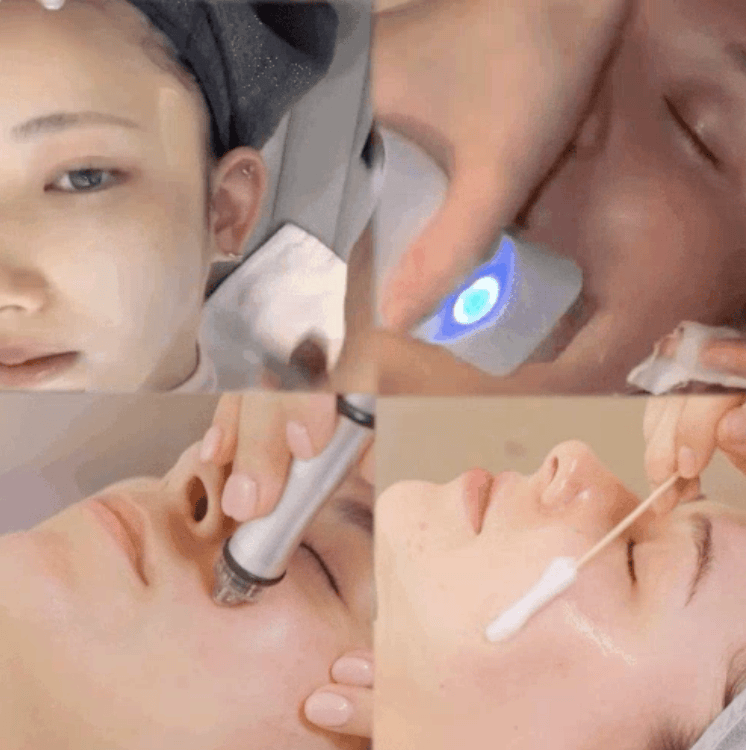
Today, we’ll walk you through the differences between the most common peel ingredients and which skin types each one suits best.
Pricing for each program is listed at the bottom, so be sure to read to the end!
Why Get a Peel (Exfoliation)?
Your skin naturally sheds dead cells and replaces them with new ones in a turnover cycle of about 28 days.
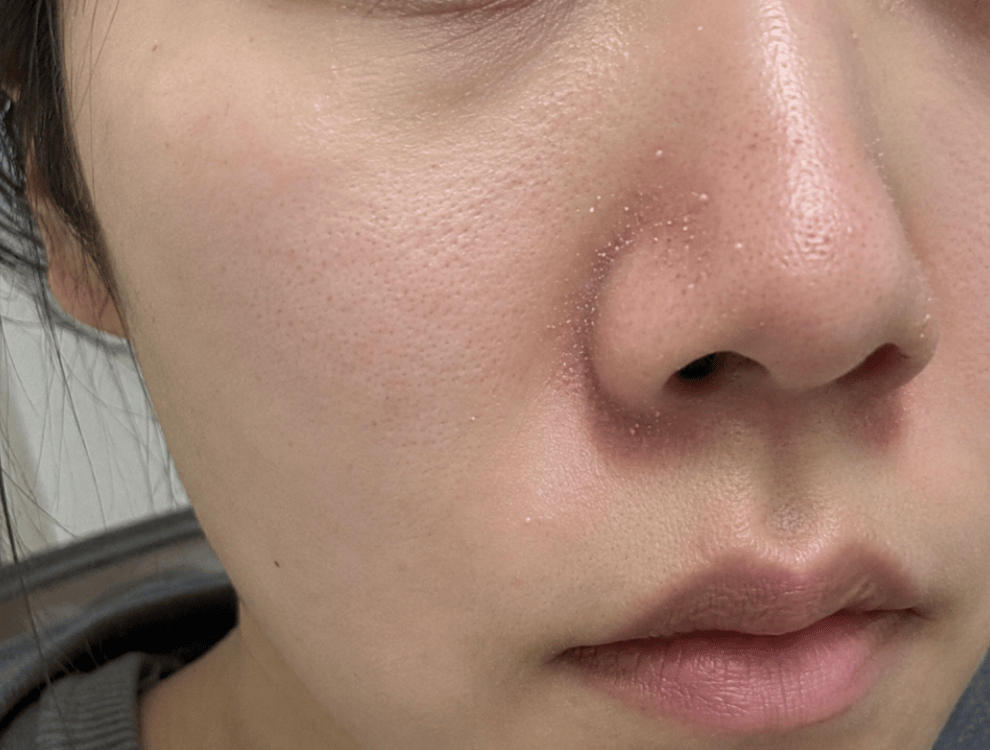
But as we age, or due to UV exposure, stress, and lifestyle habits, this cycle slows down. Dead skin cells build up, leading to dullness, clogged pores and breakouts, makeup that won’t sit smoothly, and rough texture.
A peel gently removes this buildup and supports skin renewal, leaving your skin clearer and smoother.
So how do the different ingredients compare? Let’s take a look at each one.
What Is an AHA Peel? A Water-Soluble Peel for Dry, Dull Skin
AHA stands for Alpha Hydroxy Acid and includes ingredients such as glycolic acid and lactic acid.
Because it’s water-soluble, it helps gently smooth away dead skin cells on the surface.
It’s commonly used for:
- Rough skin texture
- Makeup that won’t sit smoothly
- Dull-looking skin tone
- Dry skin with lots of flaky buildup
However, AHA can be relatively irritating on its own, and sensitive skin may experience redness or stinging. That’s why adjusting the strength to your skin’s condition is important.
What Is a BHA Peel? An Oil-Soluble Peel for Oily, Acne-Prone Skin with Clogged Pores
BHA mainly refers to salicylic acid-based ingredients.
Because it’s oil-soluble, it helps dissolve oil and impurities inside the pores.
It’s often used to care for:
- Blackheads
- Whiteheads
- Excess oil
- Acne-prone skin
- Shiny, greasy skin
It’s especially popular in summer, when oil production increases, and for skin prone to recurring breakouts.
However, very sensitive or dry skin may feel some irritation, so it’s important to pair it with soothing and moisturizing care.
What Is an LHA Peel? A Next-Generation Peel for Sensitive Skin
LHA stands for Lipohydroxy Acid. It’s similar to BHA but works more slowly.
It’s often used to smooth away dead skin cells while keeping irritation relatively low.
It’s commonly used for:
- Sensitive, breakout-prone skin
- Recurring small, bumpy breakouts
- Skin that’s easily irritated
- Those who want to improve skin texture
These days, rather than the feeling of a traditional peel, many programs use LHA as part of a gentle, low-irritation approach to refining skin texture.
What Is a PHA Peel? A Peel Gentle Enough for Very Dry and Sensitive Skin
PHA belongs to the Poly Hydroxy Acid family. Its larger molecules work slowly on the skin.
Compared with other peel ingredients, it helps retain moisture while keeping irritation relatively low.
It’s preferred for:
- Skin that flushes easily
- Skin that feels dry deep down
- Sensitive skin
- First-time peel patients
- Those with a weakened skin barrier
Recently, PHA has become widely used in peels that focus on hydration and texture improvement rather than simple exfoliation.
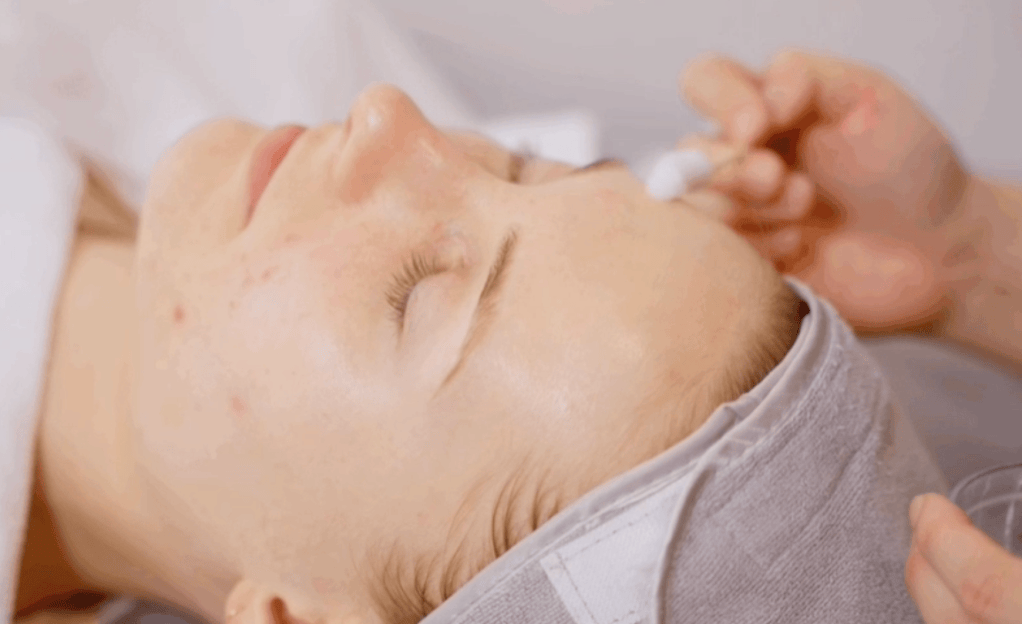
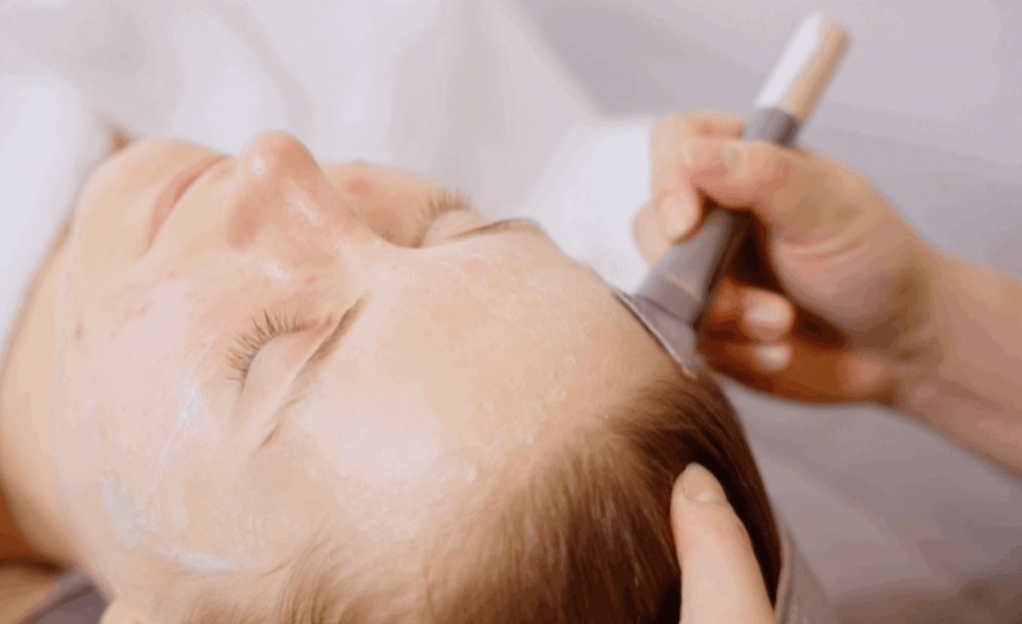
Which Peel Is Right for Your Skin Type?
| Skin Concern | Recommended Ingredient |
|---|---|
| Oil, acne, and pores | BHA / LHA |
| Rough texture and dullness | AHA |
| Sensitive or dry skin | PHA |
| Gentle texture care | LHA / PHA |
| Flaky skin and makeup not sitting smoothly | AHA / PHA |
In reality, though, most skin has a mix of concerns, such as oiliness, sensitivity, and dryness. That’s why combining ingredients to suit your skin’s condition works better than relying on just one.
Signature Peel Programs Recommended
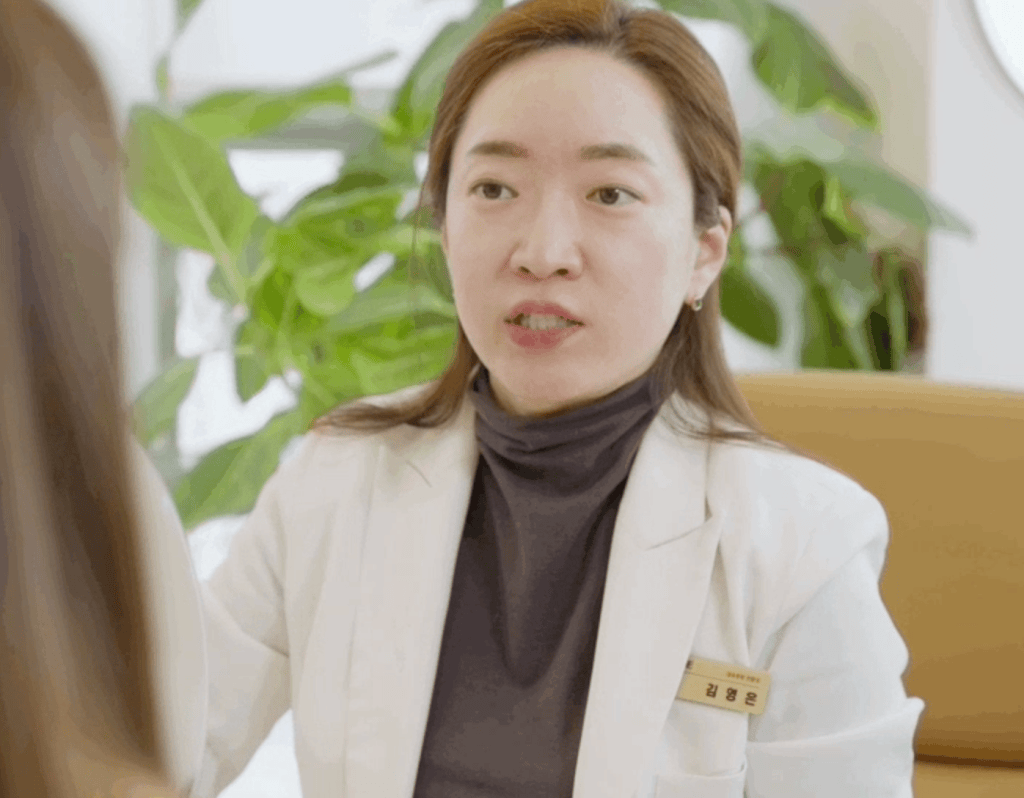
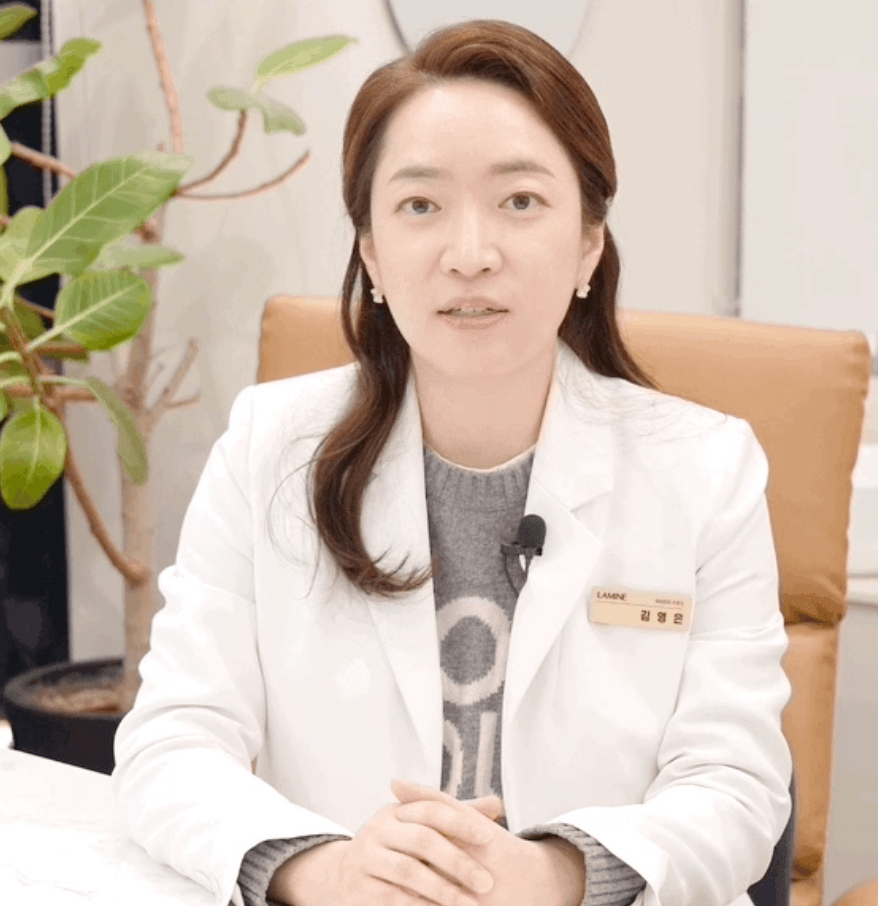
by Dr. Youngeun Kim
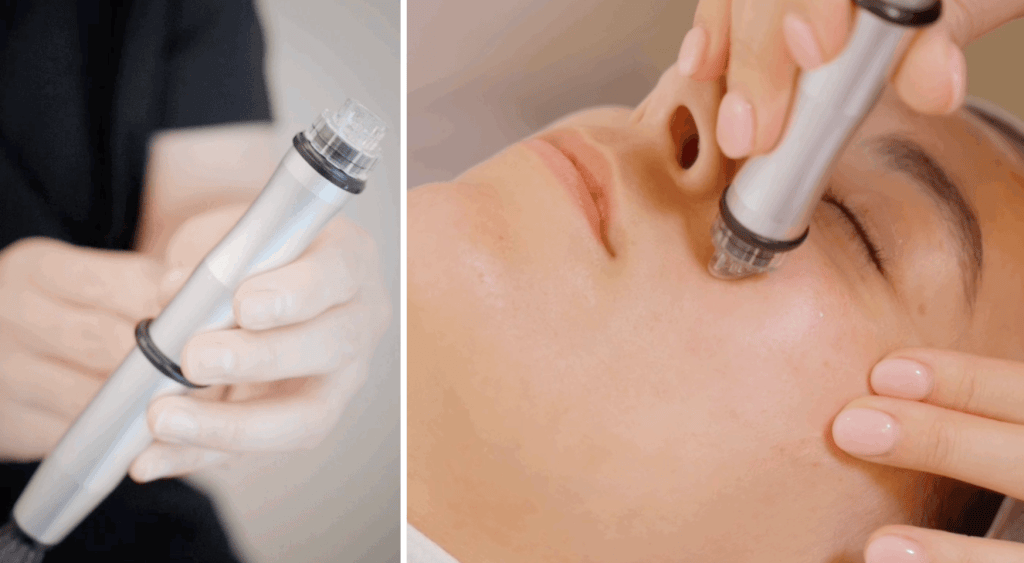
Healing Care Basic: KRW 165,000 (1 session)
A basic program using AHA and BHA to care for skin texture and oil.
In particular, the Scaling Peel (Coombs Peel) combines AHA and BHA to clear away dead skin cells and oil at the same time, making it a popular foundational treatment for acne-prone skin.
The Aqua Peel gently removes oil and impurities from the pores while also hydrating the skin, and is especially popular with those concerned about blackheads and whiteheads.
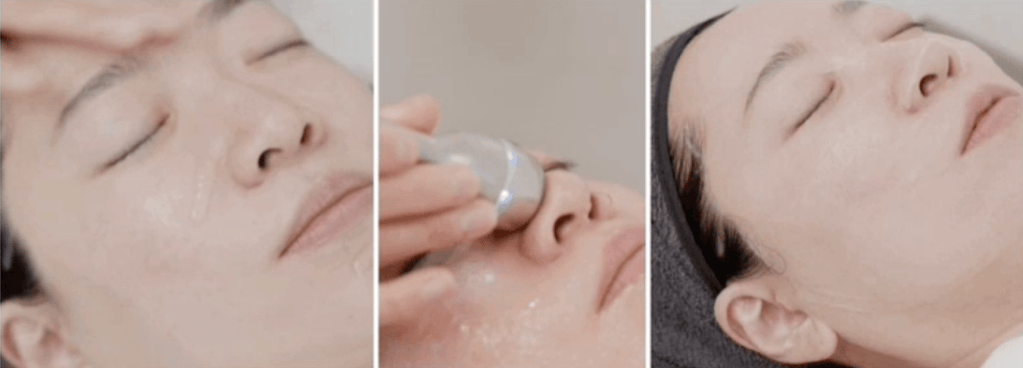
Program Process
Consultation → Cleansing → Exfoliation → Skin care (choose one: Scaling / Aqua Peel / Ionzyme Vitamin Brightening / LDM Intense Ultra / Cryocell) → Regenerating and soothing mask
Porcelain Peel: KRW 231,000 (1 session)
Rather than simply peeling the skin, LAMINE Clinic’s Porcelain Peel is a gentle program designed to also:
- Refine skin texture
- Provide hydration and nourishment
- Care for firmness
- Enhance radiance
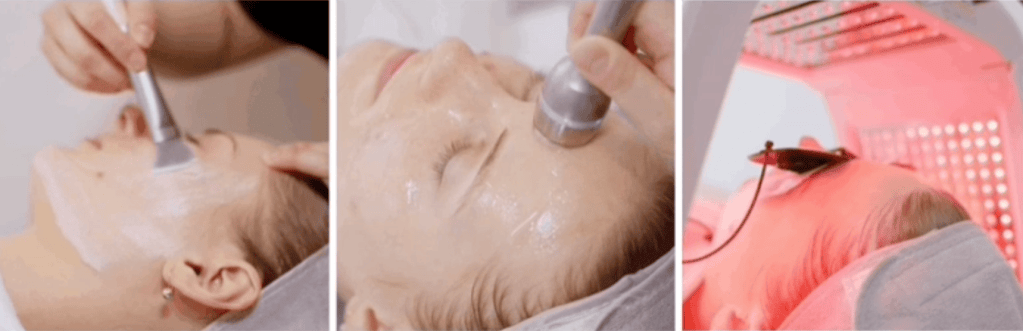
It’s especially popular for dry, dull skin, makeup that won’t sit smoothly, and anyone wanting a clear, smooth complexion.
Combining nourishing ingredients based on kudzu root extract with regeneration and firmness care, it helps keep your skin relatively hydrated and comfortable even after the peel.
Program Process
Consultation → Cleansing → Porcelain Peel → Lifting cream mask → LDM Intense Ultra → LLLT (regenerative laser) → Finish
Platinum Peel + Vitamin Care or Intense Ultra: KRW 374,000 (1 session)
① Platinum Peel + Vitamin Care
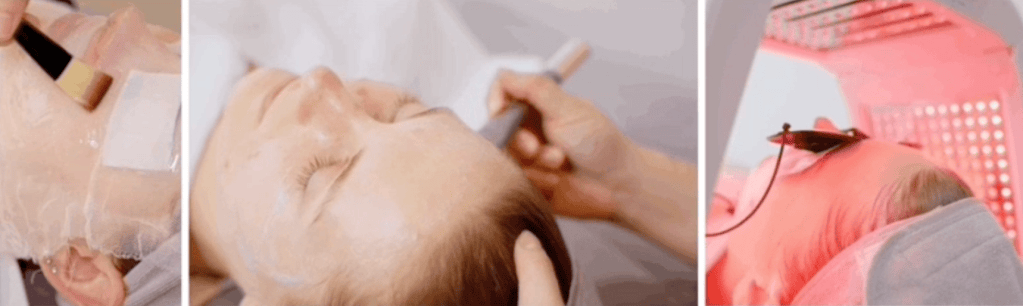
A program combining a gentle PHA- and LHA-based peel with vitamin care.
Along with the antioxidant effect of platinum (Pt), it helps soothe, hydrate, and refine skin texture.
It’s especially popular with those who have:
- Dull skin tone
- Sensitized skin
- Dryness deep within the skin
- Skin texture concerns
- Overall tired-looking skin
Program Process
Consultation → Cleansing → Ultrasonic exfoliation → Ionzyme Vitamin Care or high-dose glutathione and vitamin C IV drip → Platinum Peel → LLLT (regenerative laser) → Soothing and regenerating mask
② Platinum Peel + LDM Intense Ultra
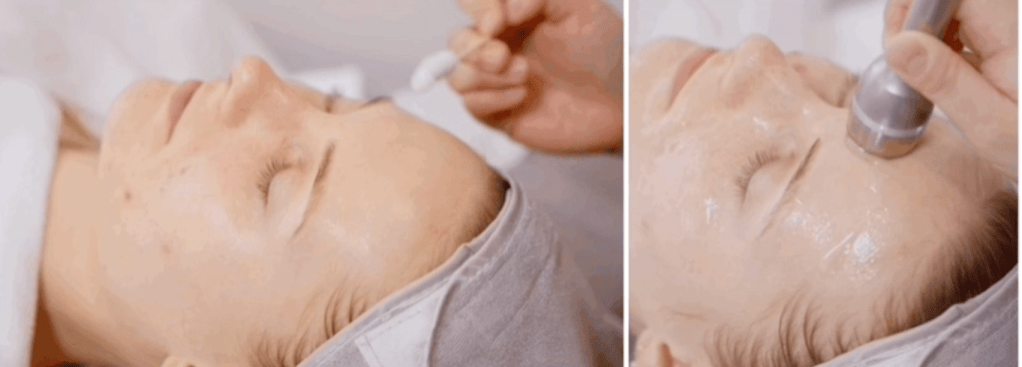
A program focused on hydration and regeneration to care for skin that may become sensitive after a peel.
LDM Intense Ultra uses high-density ultrasound to help strengthen the skin barrier and restore hydration.
It’s often added for those worried about dryness after a peel or whose skin feels tight deep down.
Program Process
Consultation → Cleansing → Platinum Peel + Intense Ultra → LLLT → Regenerating mask
Which Program Is Right for Me?
| Concern | Recommended Program |
|---|---|
| Severe acne, oiliness, and pores | Scaling Peel |
| Dry underneath, but oily around the nose | Aqua Peel |
| Loss of firmness and fine lines | Porcelain Peel |
| Sensitive skin needing exfoliation and hydration | Platinum Peel |
| Overall texture, tone, and hydration in one session | Healing Care Basic |
The key isn’t pushing your skin too hard. It’s choosing the right strength for your skin and including regeneration care along the way.
At LAMINE Clinic near Gwanghwamun, we’ll recommend the right peel program based on your current skin condition and concerns.
If you’re curious about which peel suits your skin type, feel free to reach out for a consultation by email or WhatsApp below. We’ll be happy to help! 🤗
Hello@lamine.co.kr
+82 10-4412-9770


답글 남기기