Some people have been visiting a dermatologist for acne for years, yet inflammation keeps coming back in the same spots.
The same goes for atopic dermatitis. Medication helps for a while, then the itching and redness return. And because the skin is so sensitive, trying other treatments feels risky.
When treating patients like these, we often find ourselves asking: beyond calming the inflammation that’s already there, is there anything more we can do?
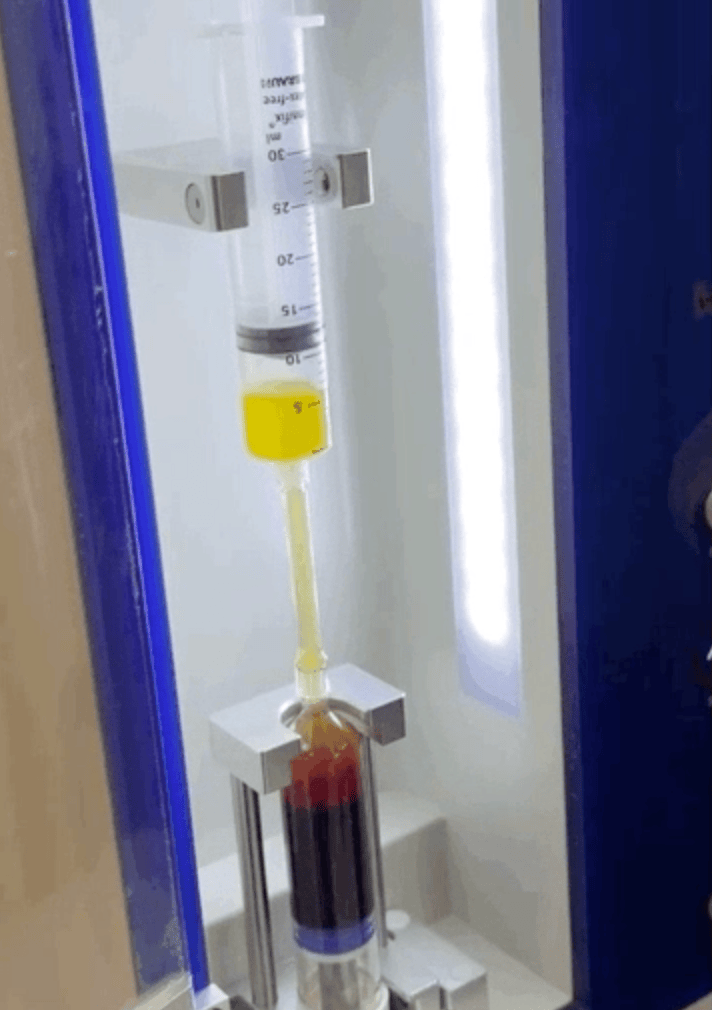
One treatment we’ve been increasingly using at LAMINE Clinic is Active PRF.
In our previous post, we introduced how PRF can improve skin firmness and support skin renewal.
Today, we’d like to talk about something a little different: how PRF can be used for skin that has gone through repeated, long-term inflammation, such as atopic dermatitis and chronic inflammatory acne, along with what we’ve observed in our own practice.
The Acne Has Calmed Down, So Why Does My Skin Still Look Bad?
When inflammation appears, our natural focus is on getting rid of it.
For atopic dermatitis, that means calming the itching and redness. For acne, it means controlling oil and inflammation.
But just because the inflammation has settled doesn’t mean your skin immediately returns to its previous state.
Especially for those who’ve experienced repeated inflammation over a long period, the skin itself often becomes highly sensitive.
Even slight irritation can cause redness and dryness, and red marks may linger long after a breakout has healed.
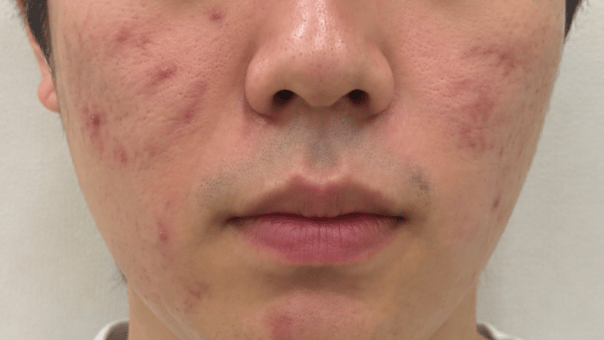
Acne isn’t simply caused by excess oil.
Inflammation develops through the interaction of oil production, clogged pores, bacteria on the skin, and the immune system’s response to them.
Atopic dermatitis and acne are different conditions with different causes. But they share one thing in common: the recovery of skin damaged by inflammation needs care, too.
While treating skin like this at LAMINE Clinic, we became interested in ways to support the skin’s recovery, not just to calm the inflammation.
PRF is one of them.
PRF Is Known for Firmness. Can It Also Be Used for Inflamed Skin?
Many people know PRF as a regenerative treatment for fine lines under the eyes or skin firmness.
In the U.S., PRF has also drawn attention among people looking for natural improvements to the eye area and skin texture.
But firmness isn’t the only reason PRF is getting attention.
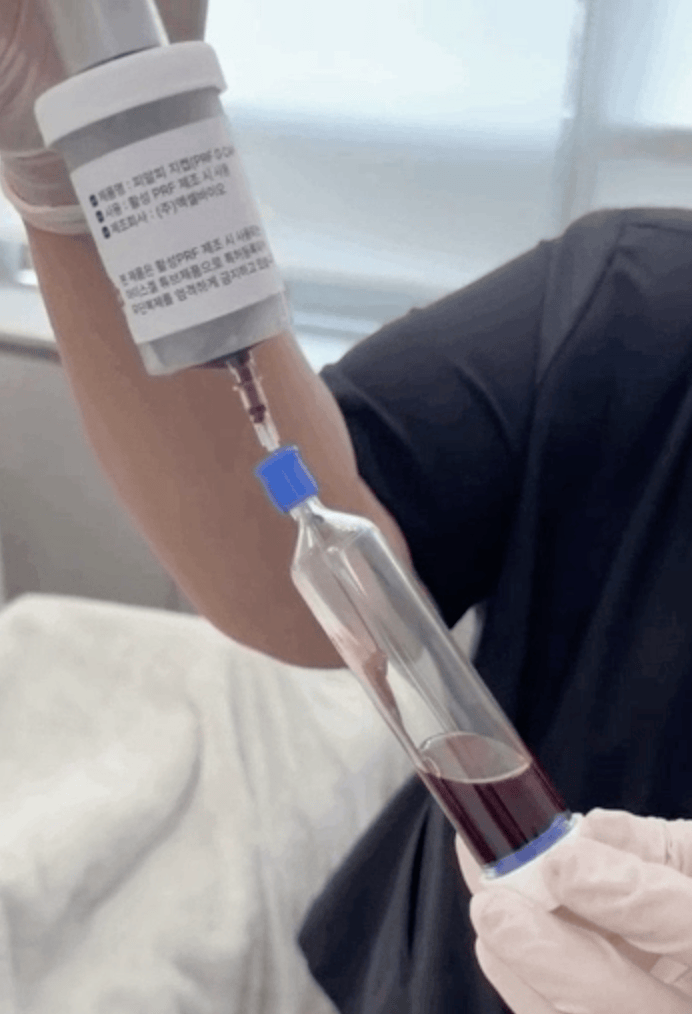
PRF uses platelets and fibrin obtained from the patient’s own blood.
Platelets contain growth factors involved in the healing of damaged tissue, and fibrin forms a structure that allows these components to stay in place and be released gradually over time.
In simple terms, rather than introducing new regenerative ingredients from outside, PRF uses the components that are already in your own blood.
What matters here is the role of the growth factors in platelets.
Growth factors such as PDGF and EGF are involved in the recovery of damaged skin tissue, while TGF-β is known to play a role in tissue repair and regulating immune responses.
Source: Barrientos S, et al. Growth factors and cytokines in wound healing. Wound Repair Regen. 2008;16(5):585–601.
Because of these properties, PRF is being studied not only for skin firmness, but also as a way to support the recovery of tissue damaged by inflammation.
We’ve also observed positive changes while treating patients with atopic dermatitis and chronic inflammatory skin.
As clinicians who see these patients firsthand, we find PRF worth paying close attention to, because it gives us a way to support skin recovery on top of existing treatments.
For Skin Too Sensitive for Just Any Treatment
People with atopic dermatitis or severe skin inflammation tend to think long and hard before deciding on any treatment.
“Is it really okay to get injections on my skin?”
“What if it irritates my skin and causes a flare-up?”
These are completely understandable concerns.
The biggest feature of PRF is that it uses your own blood.
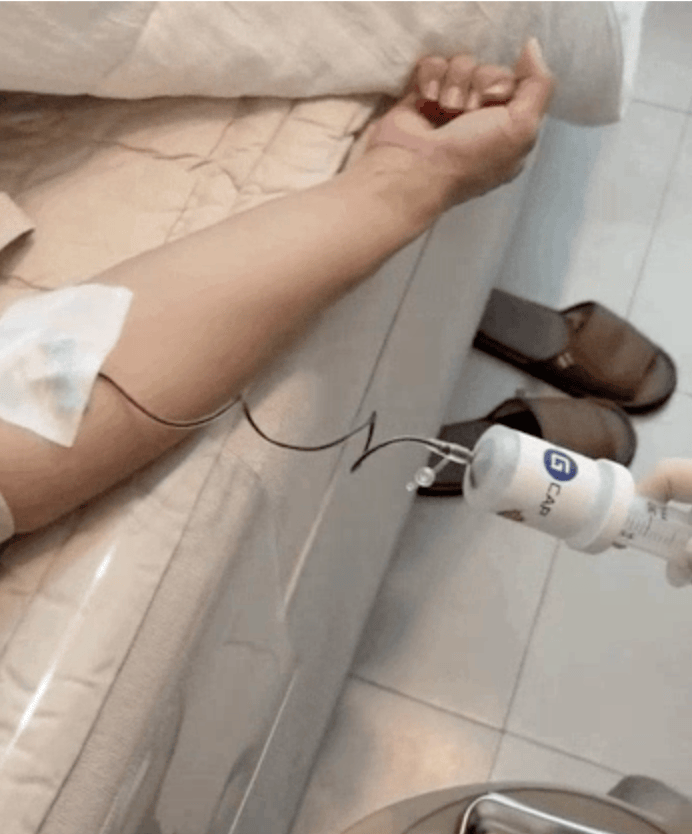
That’s different from typical skin boosters, which inject ingredients made outside the body.
In particular, the Active PRF used at LAMINE Clinic is prepared without anticoagulants.
Because it’s autologous (made from your own blood), there is relatively less concern about allergic reactions or immune rejection caused by foreign substances.
It’s considered safe enough that it can even be an option for pregnant patients, and with relatively little pain and downtime, patient satisfaction is high.
How We Perform PRF at LAMINE Clinic
At LAMINE Clinic, we draw about 30 cc of the patient’s own blood and prepare Active PRF from it.
For the full face, we use about 15 cc.
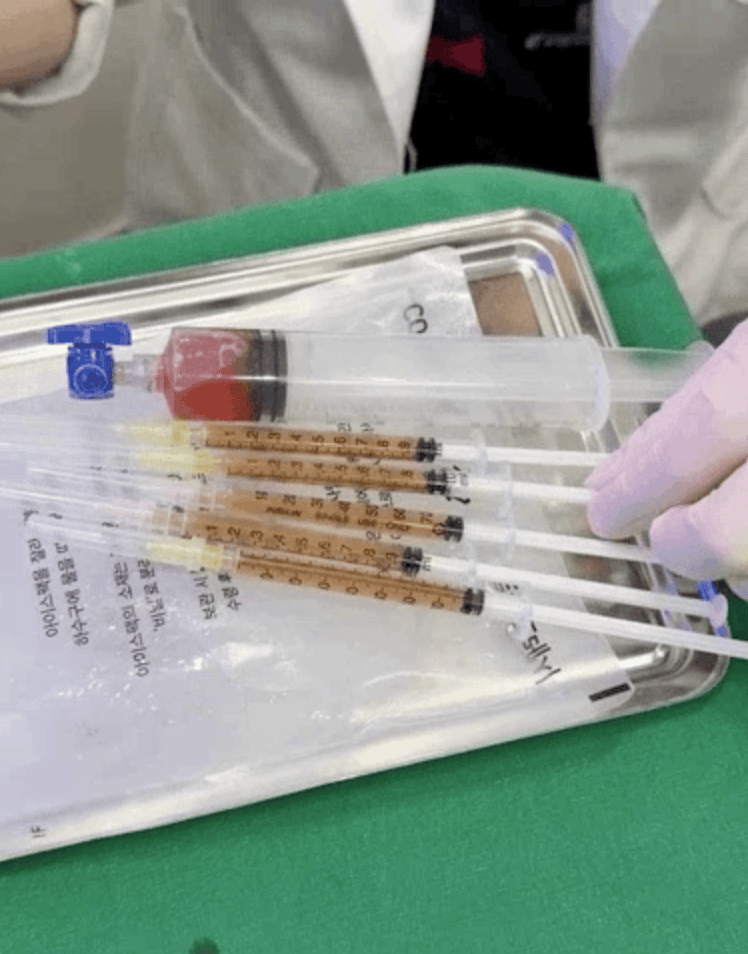
Some patients are surprised by how much that is.
But PRF isn’t like filler, where the amount injected directly adds volume. Instead, it’s distributed across the areas that need it, based on the condition of your skin across the whole face.
For example, if inflammatory acne keeps recurring on the chin while the cheeks have many lingering red marks, different areas of the same face are in very different condition.
Our head director, Dr. Youngeun Kim, personally examines your skin and decides where and how to apply the treatment.
Along with PRF, we also provide LLLT (low-level light therapy) and soothing care.
Can PRF Help Atopic Skin?
People who’ve had atopic dermatitis for a long time often find that just when their skin seems to be improving, it suddenly becomes itchy and red again.
Areas that have been scratched a lot may also become thicker or rougher.
Since atopic dermatitis involves a weakened skin barrier and recurring inflammation, barrier care is just as important as treatment to control itching and redness.
Because PRF uses components involved in the healing of damaged tissue, its potential for this kind of skin is being studied.
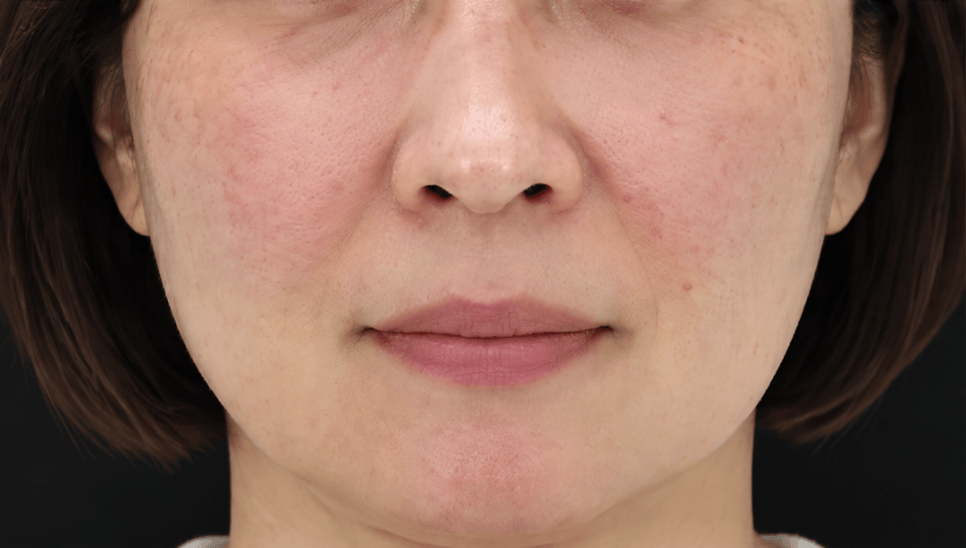
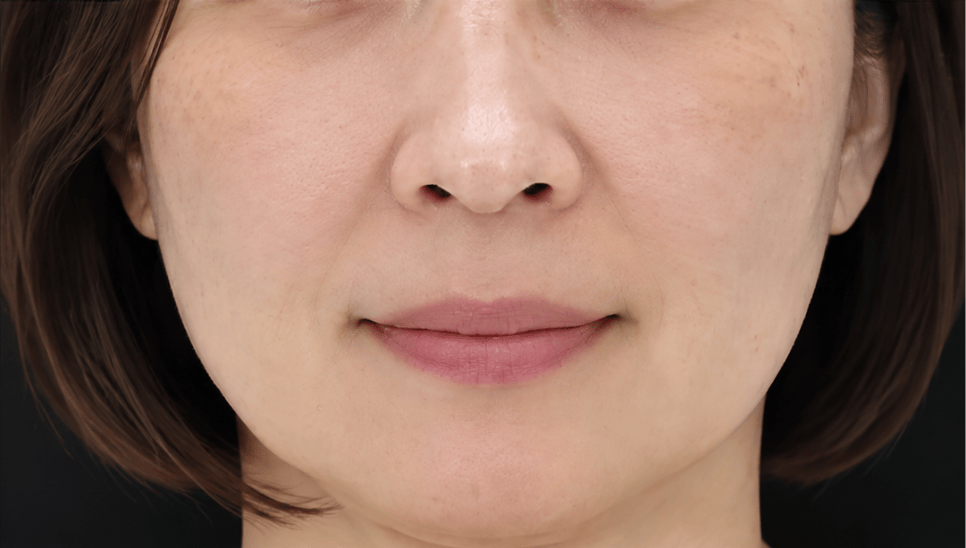
At LAMINE Clinic, we’ve also seen positive changes when applying PRF to skin with redness.
However, PRF doesn’t resolve every cause of atopic dermatitis.
When itching and inflammation are severe, appropriate medication comes first, and moisturizing and barrier care remain essential.
Also Helpful for Long-Standing Inflammatory Acne
Acne is similar.
People who frequently get large, painful breakouts on the chin or cheeks often find a new one appearing before the last has even healed.
Over time, red marks build up on the skin, and in more severe cases, scars are left behind.
For these patients, the root causes of acne, including oil, clogged pores, and inflammation, naturally need to be treated first.
But once you also consider the skin damage left by repeated inflammation, there’s more to address.
PRF is one treatment that can be used in exactly this recovery process. While existing acne treatments manage the inflammation, PRF helps address skin that has been damaged by repeated breakouts.
Years of Dermatology Treatment, but Still Back at Square One?
Whether it’s atopic dermatitis or chronic inflammatory acne, people who’ve struggled for a long time have likely tried many treatments already.
But when your skin improves during treatment only to get worse again, it’s only natural to feel exhausted.
Of course, we can’t say that PRF alone will solve everything for skin like this.
In practice, depending on the condition of the skin, other treatments sometimes need to come before PRF.
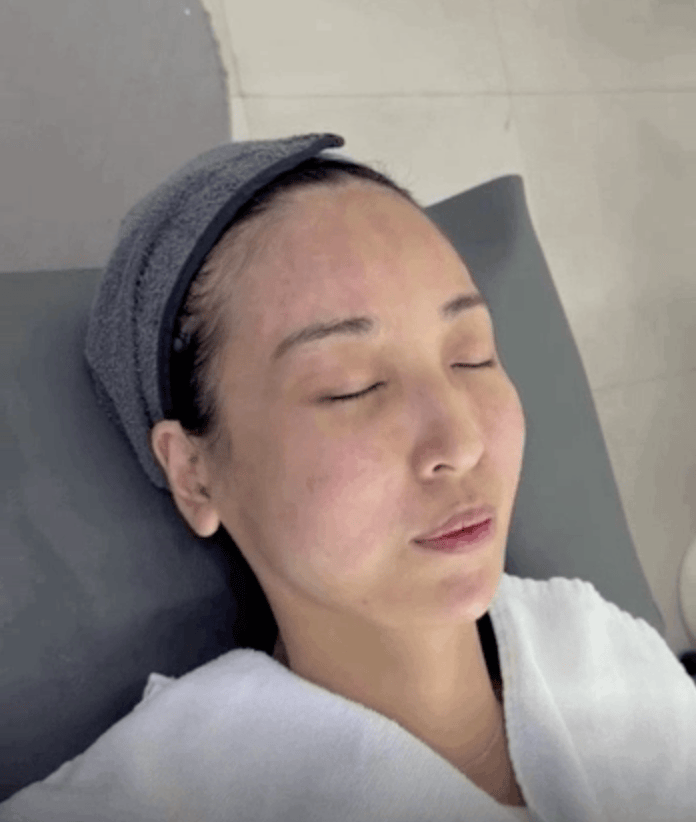
But if your focus so far has been on calming inflammation, we’d encourage you to also take a look at what damage repeated inflammation may have left behind.

PRF is one of the treatments LAMINE Clinic uses to help this kind of skin recover.
At LAMINE Clinic near Gwanghwamun, Dr. Youngeun Kim personally reviews your skin condition and treatment history, and if PRF is a good fit, guides you through the treatment approach and plan.
If you have any questions, please email us below to book or ask about treatment.
We’ll be happy to help.
hello@lamine.co.kr


답글 남기기