Hello from LAMINE Clinic.
Melasma That Fades, Then Slowly Comes Back?
There are a few things we hear often from patients who come in for melasma:
“It faded while I was getting laser treatments, but it came back quickly.”
“After so many laser sessions, my skin just feels more sensitive.”
“It’s not only the melasma. My skin also looks thin and saggy.”
Melasma isn’t simply a buildup of melanin on the skin’s surface.
It’s a chronic pigmentation condition caused by a combination of factors, including UV exposure and heat, hormonal changes, skin inflammation, dermal aging, and a damaged skin barrier.
That’s why it’s important not only to fade existing pigment, but also to look at the skin environment that allows melasma to keep coming back.
LAMINE Clinic’s Melasma Potenza is a combination program that pairs microneedle RF with glutathione and PN. It delivers precise stimulation to areas of concern while supporting skin renewal and firmness at the same time.
In this post:
- How Potenza works
- Why melasma keeps coming back
- What to keep in mind with Melasma Potenza
- Program pricing
LAMINE Melasma Potenza: A Combination Program That Also Targets Firmness
Potenza is a microneedle RF device that inserts fine needles into the skin and delivers radiofrequency energy at a set depth.
The needles create microchannels in the skin, and the RF energy delivered beneath the surface stimulates dermal remodeling and skin regeneration.
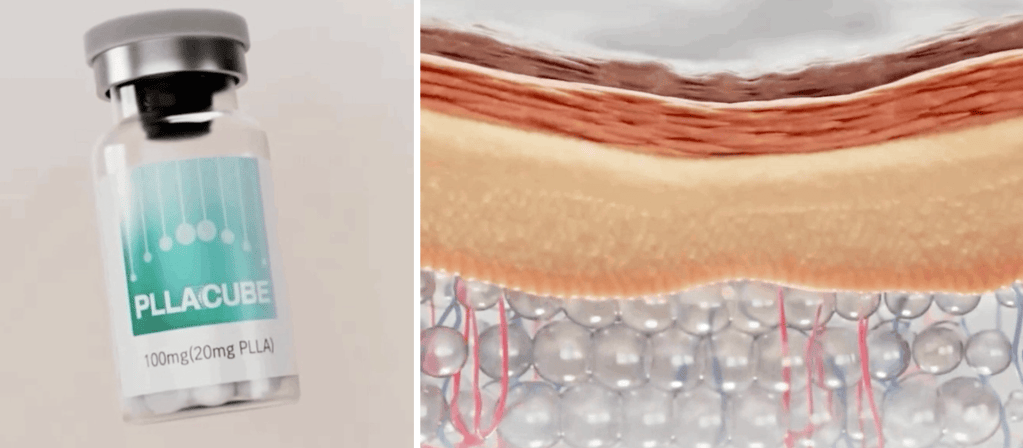
During this process, we also apply PLLACUBE, which contains glutathione and PN, to address not only pigmentation but also skin texture and firmness.
While standard laser toning delivers energy directly to melanin, Melasma Potenza takes a different approach. Rather than aggressively removing pigment alone, it also addresses the dermal environment and loss of firmness in skin prone to recurring melasma.
In fact, research has shown that combining microneedle RF with toning was more helpful for improving melasma than toning alone.
(Results may vary depending on each patient’s skin condition and type of melasma.)
Melasma Potenza isn’t a treatment that only brightens the skin’s surface temporarily.
Its goal is to help skin tone look more natural and even by also caring for texture, loss of firmness, and fine lines in areas affected by melasma.
Why Does Melasma Keep Coming Back?
Melasma behaves differently from ordinary dark spots.
Spots and freckles usually have fairly clear edges, but melasma tends to appear as broad, blurry patches on both cheekbones, the cheeks, and the forehead, getting darker and lighter depending on your skin’s condition.
In skin with melasma, the increase in melanin may be accompanied by other changes, such as:
- Melanocyte activation caused by UV and visible light
- A damaged skin barrier and chronic inflammation
- Collagen loss and photoaging in the dermis
- Pigment migration due to basement membrane damage
- Dilated blood vessels and redness
- Hormonal changes and genetic factors
That’s why trying to aggressively remove only the visible pigment can make the skin more sensitive or cause post-inflammatory hyperpigmentation, which can actually make melasma look darker.
Melasma treatment shouldn’t rely on strong energy. It should be designed to minimize unnecessary irritation while managing both the pigment and the skin environment.
Why Melasma Potenza? Dermal Regeneration, Not Just Brightening
LAMINE Clinic’s Melasma Potenza program was designed for those who want to improve pigmentation and firmness at the same time.
With Melasma Potenza, you can expect:
- Reduced melasma and dark spots
- Enhanced skin regeneration
- Improved firmness around pigmented areas
- More even skin texture
It goes beyond simply fading the color of melasma. It also addresses the thinning and sagging that often appear in the surrounding skin.
Melasma Potenza Is Recommended If You:
- Struggle with recurring melasma
- Find that melasma comes back quickly even after toning
- Want to improve pigmentation and firmness together
- Have rough, dull-looking skin along with melasma
- Haven’t seen satisfying results from toning alone
- Prefer gradual improvement over aggressive peeling
However, the same treatment isn’t right for every melasma patient.
What looks like melasma is often mixed with freckles, lentigines, nevus of Ota, or post-inflammatory hyperpigmentation.
That’s why, before treatment, we first check the type and depth of pigmentation, skin thickness, presence of redness, and your previous laser treatment history.
FAQ
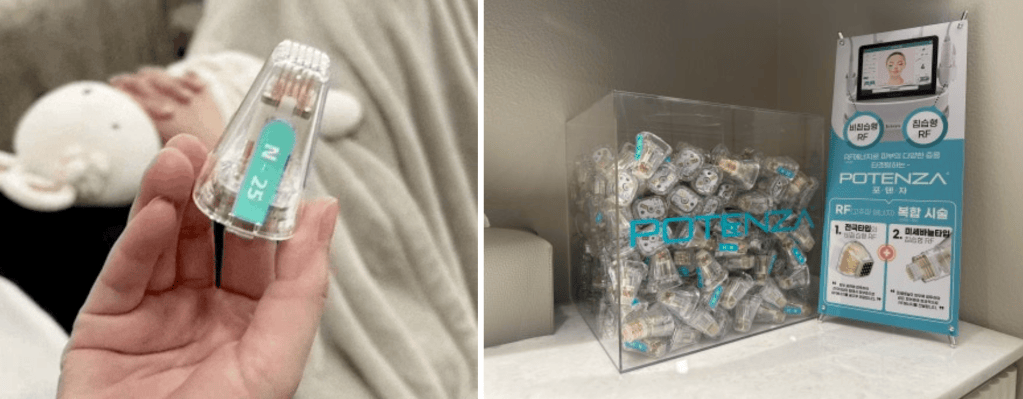
Q1. Does Potenza directly remove melasma pigment?
Potenza works differently from pigment lasers, which react directly to melanin.
Laser toning delivers energy to melanin to gradually fade pigmentation. Potenza, on the other hand, delivers RF energy beneath the skin through microneedles to stimulate dermal remodeling and skin regeneration.
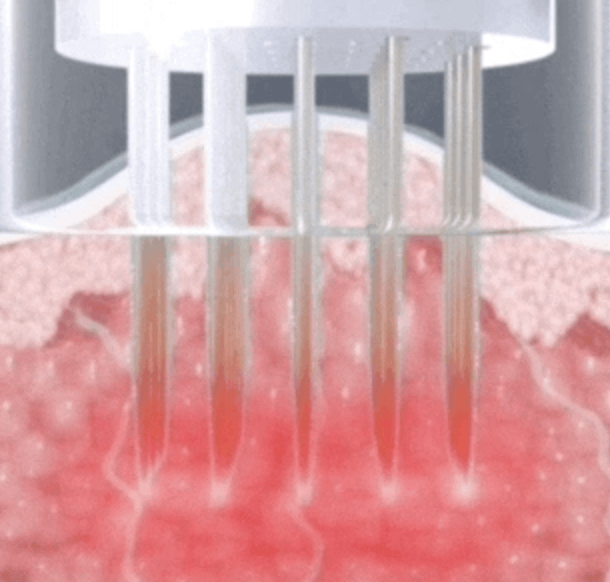
So rather than a standalone treatment that directly breaks down melasma pigment, it’s more accurate to think of Potenza as a supportive treatment that addresses the skin environment behind recurring melasma and loss of firmness.
Depending on the type of melasma, Potenza may be done on its own or combined with other treatments such as toning or brightening care.
Q2. If toning works for me, do I still need Potenza?
If the main issue is pigment in the epidermis, toning alone may be enough.
But if melasma keeps coming back despite repeated toning, or your skin is thin and has lost firmness, continuing to target only the pigment may not bring satisfying results.
In these cases, adding Potenza to stimulate dermal remodeling can help improve the skin environment.
Q3. Is it safe to apply heat to skin with melasma?
Melasma is sensitive to heat and inflammation, so stronger, higher-energy treatment doesn’t necessarily mean better results.
In fact, using more energy than your skin can handle may lead to prolonged redness and inflammation, or post-inflammatory hyperpigmentation.
With Melasma Potenza, needle depth, energy level, and number of passes must be carefully adjusted according to your skin thickness, sensitivity, pigment location, and any redness.
Potenza isn’t a treatment where simply placing a set tip on the skin produces the same result every time. The stimulation delivered to the skin changes depending on needle depth, RF energy intensity, contact time, and how much each pass overlaps.
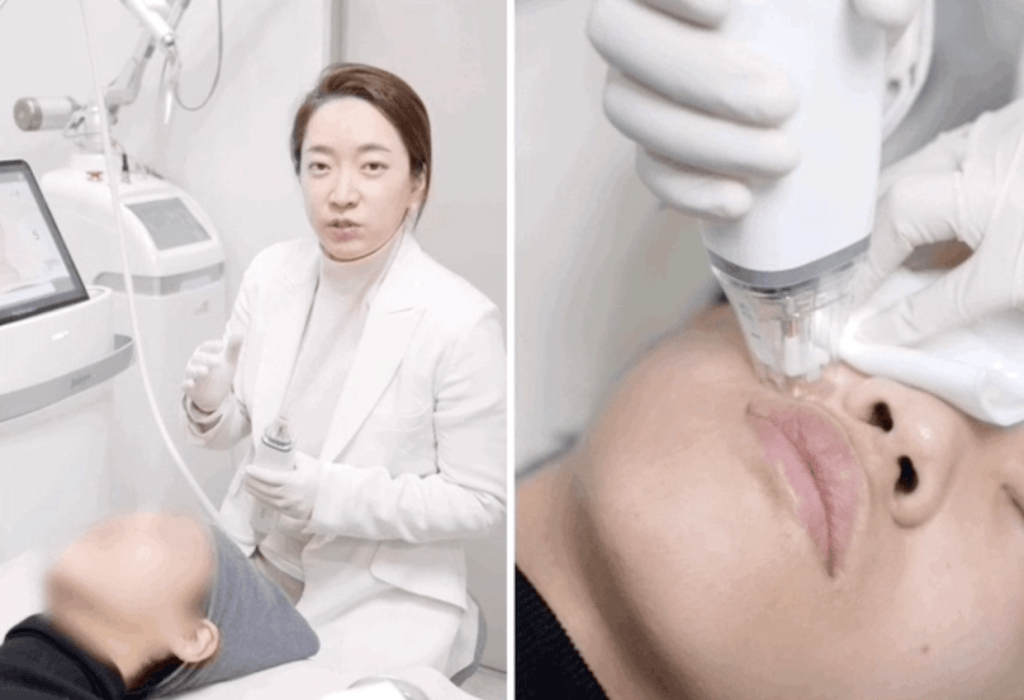
Skin with melasma in particular needs to avoid excessive heat, unlike typical pore or scar treatments, so even more careful adjustment is required.
At LAMINE Clinic, we check the following before setting treatment intensity:
- Whether the melasma is epidermal or mixed type
- Whether your skin is thin and sensitive
- Whether there is redness in the affected areas
- How often you’ve had toning before
- Whether your skin barrier is damaged
- Whether loss of firmness and enlarged pores are also present
- Whether you’ve had recent sun exposure or dermatitis
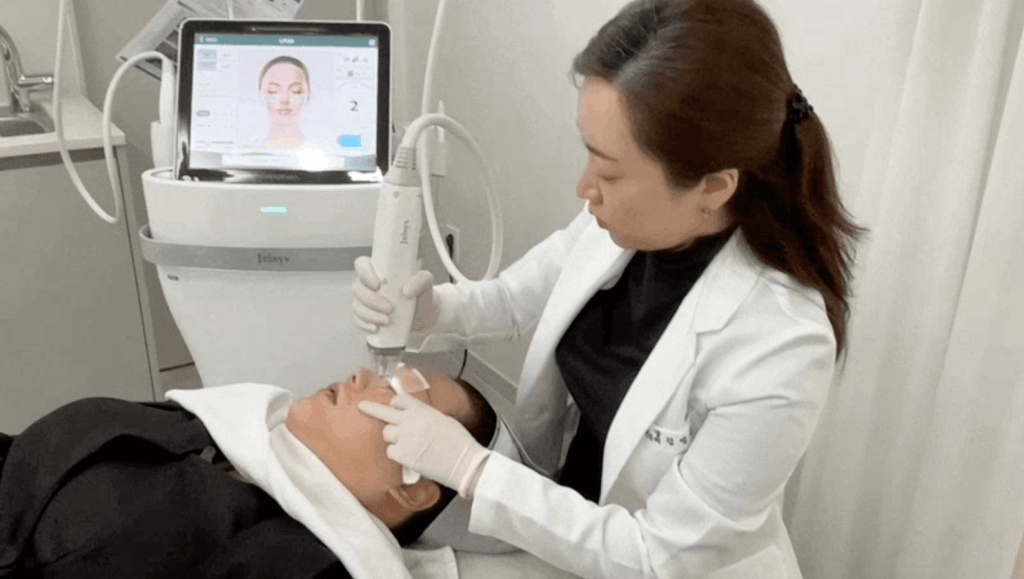
Our head director, Dr. Youngeun Kim, personally assesses your skin, determines whether to focus more on pigmentation or firmness, and performs the treatment with 1:1 customized settings.
Q4. Is one session of Melasma Potenza enough?
Your skin tone and texture may look noticeably more refined after treatment, but melasma is not a condition that can be resolved in a single session.
Dermal collagen regeneration and remodeling happen gradually over several weeks, and melasma can darken again depending on UV exposure and skin condition.
That’s why it’s important to repeat treatment at regular intervals based on your skin’s condition, then maintain results with sun protection and brightening care.
The number of sessions and intervals needed may vary depending on the extent of melasma, skin sensitivity, and whether other treatments are combined.
What Matters Most in Melasma Treatment
What matters most isn’t how aggressively the pigment is targeted.
It’s identifying the cause of your melasma and your skin’s condition, then treating it precisely within the range your skin can currently handle.
Even when melasma looks the same, the treatment needed differs for someone with thin, red skin, someone with both melasma and dark spots, and someone with loss of firmness and enlarged pores.
Rather than recommending whatever treatment is trending, LAMINE Clinic takes the time to determine whether Potenza is right for your melasma, or whether toning or another pigment treatment should come first, before guiding you on a treatment plan.
Melasma Potenza Pricing
| Session | Price |
|---|---|
| 1 session | KRW 539,000 |
| 3 sessions | KRW 1,529,000 |
The exact treatment area and program components may vary depending on your skin condition and consultation.
Treatment Process
- Consultation
- Cleansing
- Ultrasonic exfoliation + X-Lotion
- Numbing cream
- Potenza, customized to your skin condition
- PLLACUBE application (3 cc)
- Cryocell soothing care
- Repairing mask to finish
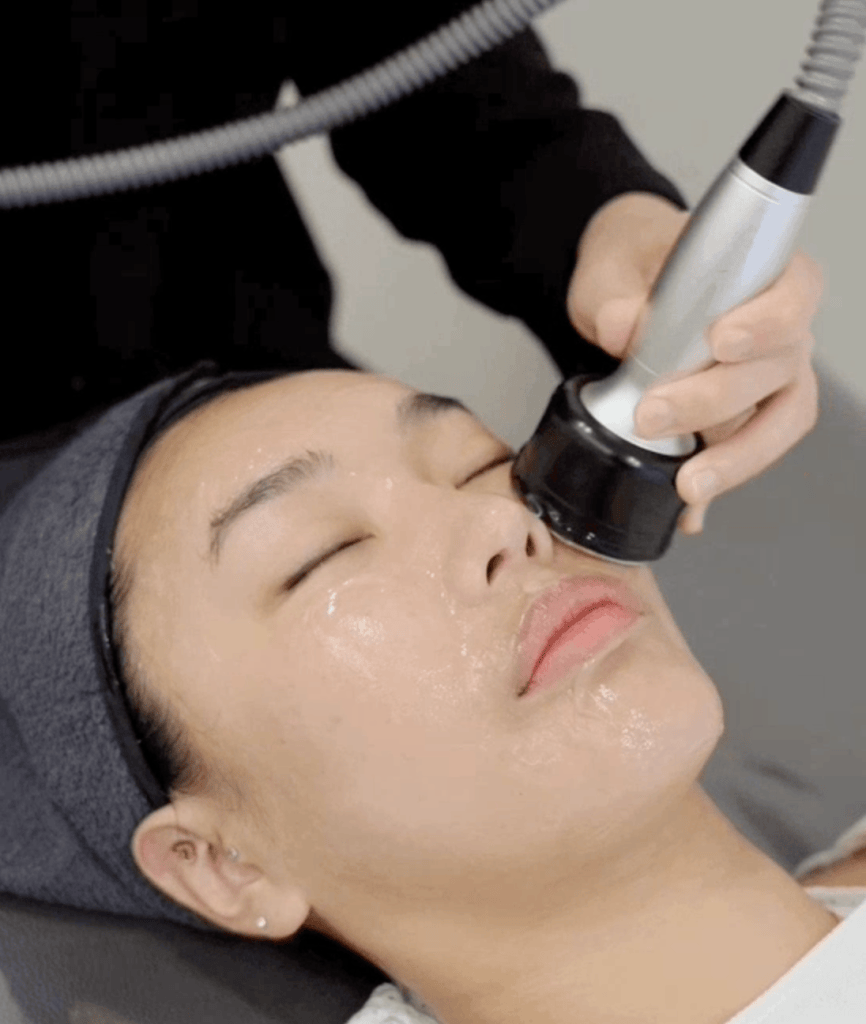
Before Potenza, we clear away impurities and excess dead skin cells. After treatment, Cryocell and a repairing mask are used to calm heat and irritation.
Melasma isn’t pigment you can erase once and forget.
It’s a skin condition that needs consistent care.
Rather than comparing only price or number of sessions, it’s important to accurately identify your pigmentation type and choose a medical team that can finely adjust RF energy and needle depth.
If you have any questions before treatment, please contact us by email or WhatsApp.
We’ll be happy to guide you based on your skin condition.


답글 남기기